
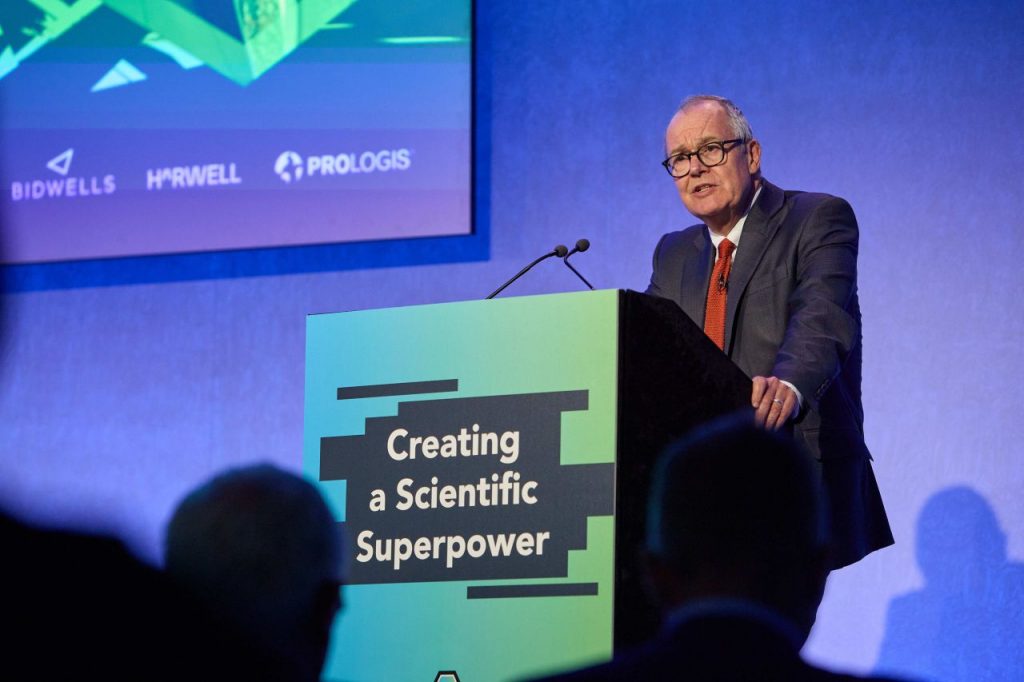
The fifth annual Creating a Scientific Superpower Conference brought together government, universities, investors and industry leaders to focus on one clear question: how do we unlock the full potential of the Oxford to Cambridge Growth Corridor?
A central theme throughout the day was delivery.
Closing the morning sessions, Chancellor Rachel Reeves placed the Corridor firmly at the heart of the Government’s growth agenda, highlighting the need to remove the barriers that continue to constrain growth.
“In the Oxford to Cambridge Growth Corridor, our task is to remove the constraints that are holding back growth – unlocking infrastructure, housing and investment so that world-leading innovation can scale and stay in the corridor.”
Her message focused on delivery. While the region’s innovation strengths are already internationally recognised, she argued that future success will depend on addressing the practical challenges that can restrict growth, including infrastructure, housing, connectivity and investment.
A series of announcements reinforced that commitment, including progress on a Development Corporation for Greater Cambridge, Homes England’s acquisition of land at Cambridge East and continued investment in East West Rail connectivity.
As the Chancellor concluded:
“These are concrete steps. Not commitments to act. Action.”
The challenge for the Corridor now is clear – turning ambition into delivery at scale.
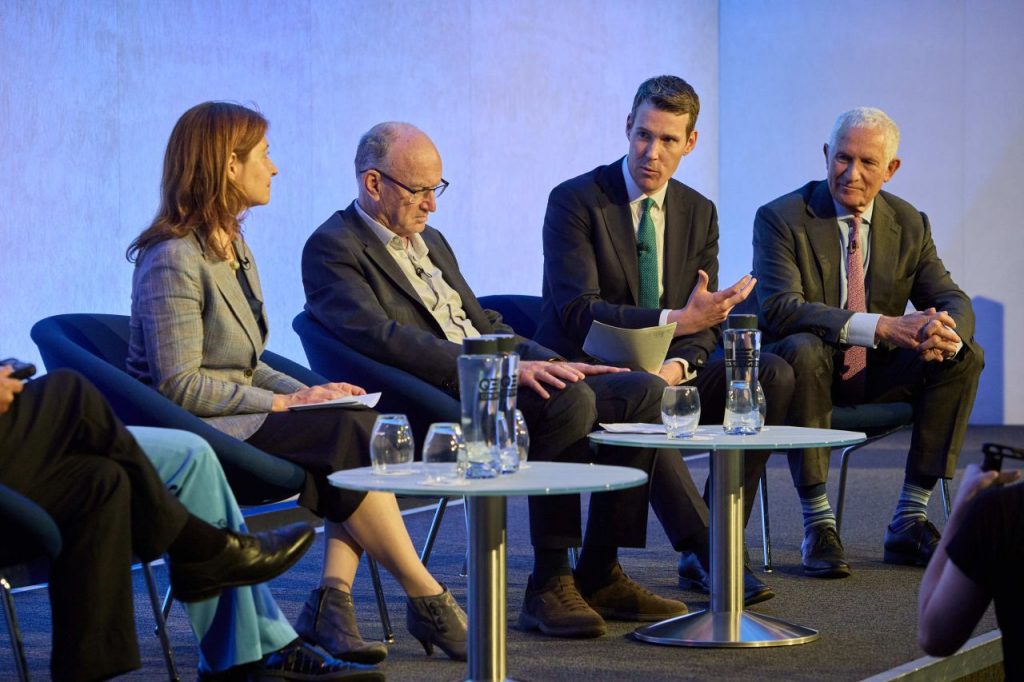
Exploring the ingredients for growth
The conference programme brought together a diverse range of voices from across the innovation ecosystem.
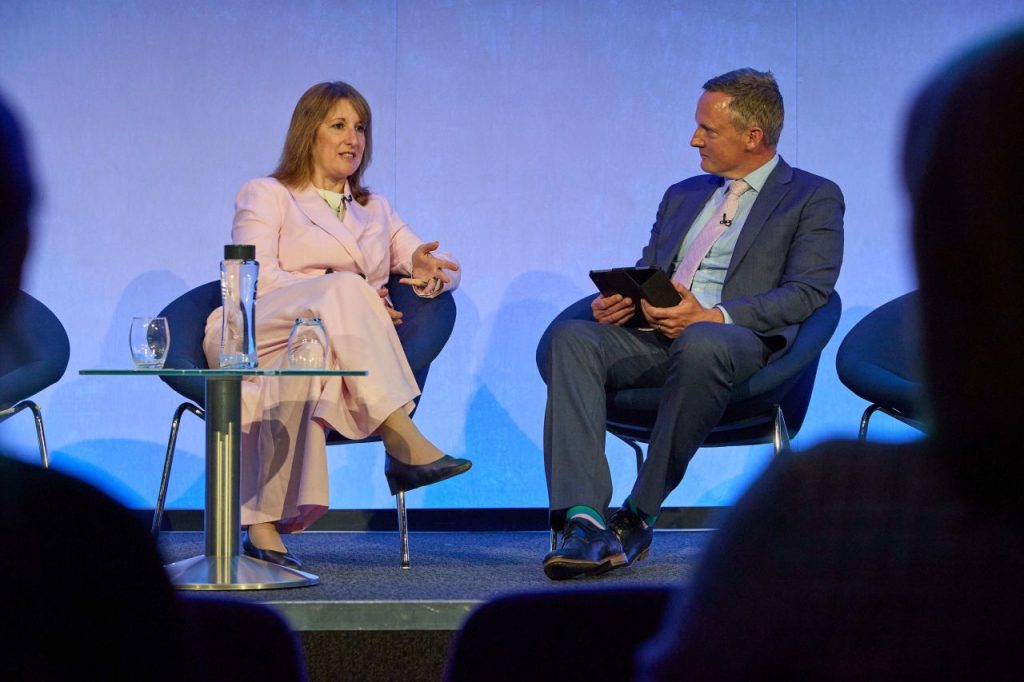
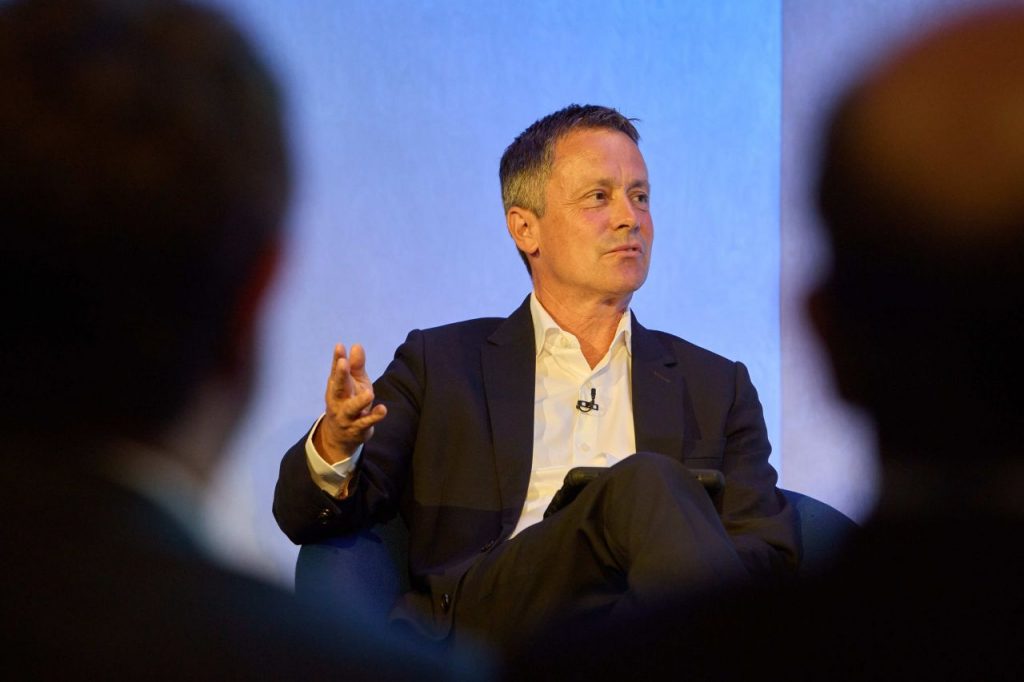
An investment-focused panel featuring Lord Jason Stockwood, Minister of State for Investment, Lisa Flashner from the Ellison Institute of Technology Oxford, Paul Weston of Prologis and Richard Todd of Bidwells explored why global investors are increasingly backing the Oxford to Cambridge Growth Corridor.
Discussion focused on the region’s unique combination of world-class research, entrepreneurial talent, internationally significant science assets and growing infrastructure investment.
A second panel examined how delivery can be accelerated through stronger collaboration between universities, government and industry.
Professor Irene Tracey CBE, Vice-Chancellor of the University of Oxford, Professor Deborah Prentice, Vice-Chancellor of the University of Cambridge, Peter Freeman of the Cambridge Growth Company and Neale Coleman of the Oxford Growth Commission joined Dr Andy Williams, Chair of the Supercluster Board, to discuss the governance, planning, infrastructure and housing interventions needed to support long-term growth.
Another session widened the conversation to consider the role of the Corridor within the wider UK economy. Chaired by Dr Kathryn Chapman of Innovate Cambridge, Tom Riordan CBE and Steve Rotherham, Mayor of the Liverpool City Region Combined Authority, explored how stronger connections between the Oxford to Cambridge Growth Corridor and the Northern Growth Corridor can help strengthen national productivity, industrial capability and economic resilience.
Across every discussion, one theme remained consistent: infrastructure, housing, power, water, transport and skills are no longer separate from the innovation economy – they are fundamental enablers of growth.
Launch of a new shared vision
The conference also saw the launch of a new shared vision for the Oxford to Cambridge Growth Corridor, developed by the Oxford-Cambridge Supercluster Board, Arc Universities Group, Oxford Brookes University and Cambridge Econometrics.
The vision sets out an ambitious roadmap to establish the Corridor as one of the world’s leading centres for science, technology and innovation. By strengthening connectivity, accelerating investment and supporting innovation, the region could create 160,000 additional jobs, attract £105 billion of venture capital investment and unlock £78 billion of economic growth by 2035.
Universities will be central to delivering this ambition.
As generators of talent, research, innovation and enterprise, the universities of the Corridor play a critical role in developing the skills, ideas and partnerships needed to support long-term growth. Together, they generate world-leading research, attract significant investment and produce nearly 17% of UK spin-out companies.
The vision recognises that future success depends not only on investment and infrastructure, but also on people. Developing and retaining the talent needed to support innovation-led growth will be essential if the Corridor is to realise its full potential.
Read the Vision for the Oxford – Cambridge Growth Corridor here
The message from the conference was clear. The opportunity is significant, the ambition is shared, and the focus must now be on delivery.